Aquasana OptimH2O vs Clearly Filtered: RO vs Gravity Bowl 2026
Affiliate Disclosure: WaterFilterGeek participates in the Amazon Services LLC Associates Program. We earn commissions from qualifying purchases through our Amazon links at no extra cost to you. We recommend products based on specifications, performance, and value, not commission rates.
Comparing the Aquasana OptimH2O against the Clearly Filtered pitcher is comparing two fundamentally different water filtration approaches. The OptimH2O is a permanent under-sink reverse osmosis system designed for homeowners who want RO-level purification without stripping beneficial minerals. The Clearly Filtered pitcher is a countertop gravity filter designed for renters, portable use, and anyone who needs serious contaminant removal without installation.
Both remove fluoride. Both tackle PFAS. Both exceed NSF certifications in their categories. The difference is how they filter, how much they cost long-term, and who they're built for.
This guide breaks down filtration method differences, wastewater production, installation requirements, long-term cost per gallon, contaminant removal effectiveness, and which system makes sense for renters vs homeowners.
Quick Picks: Aquasana vs Clearly Filtered at a Glance
| System | Type | Price | Contaminants Removed | Best For | Buy Now |
|---|---|---|---|---|---|
| Aquasana OptimH2O | Under-sink RO + remineralizer | ~$499 | 77+ (NSF 58/401/473) | Homeowners, permanent install, RO without mineral stripping | Check Amazon Price |
| Clearly Filtered Pitcher | Countertop gravity pitcher | ~$78 | 232+ (NSF 42/53/401/P473) | Renters, portable use, zero installation, space-constrained kitchens | Check Amazon Price |
| ZeroWater 10-Cup | Ion exchange pitcher | ~$39 | 99.6% TDS (IAPMO certified lead/chromium/PFAS) | Budget pick, TDS reduction, included meter | Check Amazon Price |
RO vs Gravity: How the Filtration Methods Differ
Reverse Osmosis (Aquasana OptimH2O)
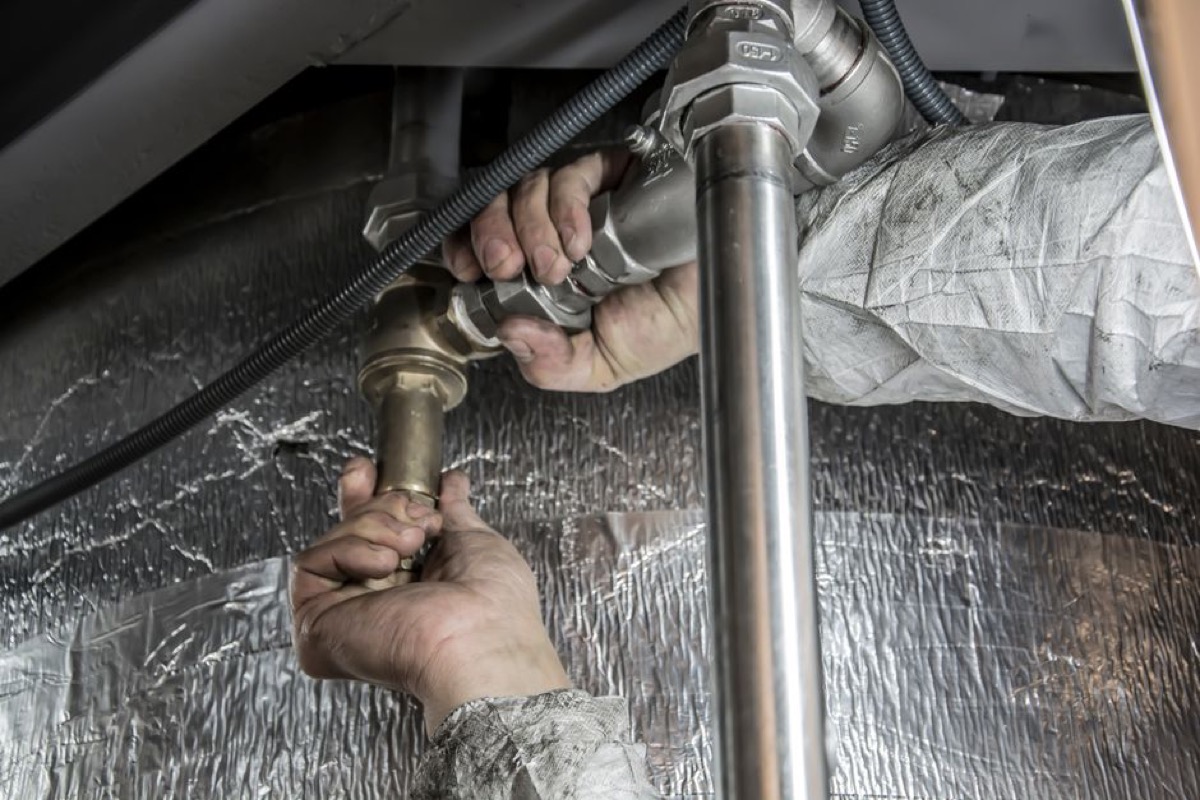
The Aquasana OptimH2O uses a 3-stage process:
- Claryum pre-filter: Removes sediment, chlorine, chloramine, VOCs, and cysts through catalytic carbon and ion exchange before water reaches the RO membrane. Handles the work of traditional 3-stage pre-filtration in one cartridge.
- Reverse osmosis membrane: 35 GPD (gallons per day) thin-film composite membrane with 0.0001-micron pore size. Removes dissolved solids, fluoride (94-97%), arsenic, nitrates, heavy metals, and PFAS by forcing water through the semipermeable membrane under pressure. Produces 1 gallon of purified water per gallon sent to drain (1:1 waste ratio).
- Remineralizer cartridge: Adds back calcium, magnesium, and potassium to the purified water. Raises pH from 5.8 (post-RO, acidic) to 7.3 and restores 18 ppm calcium, 4.2 ppm magnesium. This is the feature that differentiates OptimH2O from standard RO systems, which strip all minerals and produce flat-tasting acidic water.
Flow rate is approximately 0.5 gallons per minute from the dedicated faucet. The system stores purified water in a 2-gallon pressurized tank under the sink, so you get instant filtered water on demand without waiting for the membrane to process each glass.
Gravity Filtration (Clearly Filtered Pitcher)
The Clearly Filtered pitcher uses Affinity Filtration technology, a proprietary multi-stage carbon block process:
- Activated carbon block: Removes chlorine, VOCs, pesticides, herbicides through adsorption.
- Ion exchange resin: Targets heavy metals (lead, mercury, copper) and fluoride. This is the stage that achieves the 98% fluoride reduction without reverse osmosis.
- Sub-micron filtration: 0.5-micron absolute rating captures cysts, bacteria, and microplastics.
- Affinity media blend: Proprietary blend targeting PFAS/PFOA/PFOS (99.5% reduction), pharmaceutical residues, and industrial chemicals.
Filtration is gravity-driven. You fill the top reservoir, water passes through the filter cartridge, and clean water collects in the lower pitcher. No electricity, no pressure, no wastewater. Flow rate is approximately 1-2 minutes per 8-ounce glass, depending on filter age and water temperature.
Wastewater Production: The RO Trade-Off
Reverse osmosis systems produce wastewater. The Aquasana OptimH2O sends 1 gallon to the drain for every 1 gallon of purified water produced (1:1 ratio). This is significantly better than budget RO systems (1:3 to 1:4 ratios) but still means approximately 50% of your input water goes to the drain.
Real numbers: If you use 5 gallons of filtered drinking water per week, the OptimH2O sends 5 gallons per week to the drain. Over a year, that's 260 gallons of wastewater. In drought-prone regions or areas with water restrictions, this matters.
The Clearly Filtered pitcher produces zero wastewater. Every drop of water you pour into the top reservoir becomes filtered drinking water. For renters paying water/sewer bills or households in water-restricted areas, this is a meaningful cost and environmental difference.
Installation Requirements and Kitchen Space
Aquasana OptimH2O Installation
The OptimH2O requires:
- Under-sink cabinet space: 14" H x 13" W x 14" D for the manifold, plus 10" diameter x 16" tall for the storage tank
- Dedicated faucet hole in your sink or countertop (1.25" diameter)
- Cold water line connection with 40-100 psi pressure
- Drain line access for wastewater discharge
- Basic plumbing tools: adjustable wrench, drill (if adding faucet hole), Teflon tape, bucket
Installation difficulty: Moderate. Aquasana rates it as DIY-friendly, but you're drilling a faucet hole (or using an existing soap dispenser hole), connecting to the cold water line with a T-valve, and running a drain line. Total install time: 2-3 hours for someone comfortable with basic plumbing. Expect $150-250 for professional installation if you hire a plumber.
Rental property compatibility: Most rental agreements prohibit under-sink RO systems because they require permanent modifications (faucet hole, plumbing connections). You would need landlord approval in writing. The system is not portable when you move (you'd leave the faucet hole and dedicated faucet behind).
Clearly Filtered Pitcher Installation
The Clearly Filtered pitcher requires:
- Countertop or refrigerator shelf space: 10.87" L x 5.25" W x 11.4" H
- Flush filter cartridge with cold water for 60 seconds before first use
Installation difficulty: None. Unbox, rinse filter, fill reservoir, wait 5 minutes. No tools, no plumbing, no modifications. Total setup time: 5 minutes.
Rental property compatibility: Perfect for renters. No landlord approval needed. Take it with you when you move. Works in apartments, dorms, RVs, tiny homes, or anywhere with a water source and counter space.
Contaminant Removal Effectiveness: What Each System Actually Removes
| Contaminant Category | Aquasana OptimH2O | Clearly Filtered Pitcher |
|---|---|---|
| Fluoride | 94-97% (NSF 58/473) | 98% (NSF P473) |
| Lead | 99% (NSF 53) | 99.5% (NSF 53) |
| PFAS/PFOA/PFOS | 95-99% (NSF 401/473) | 99.5% (NSF 401/P473) |
| Arsenic | 97% (NSF 58) | 99% (NSF 53) |
| Chlorine | 97% (NSF 42) | 99.9% (NSF 42) |
| Mercury | 95% (NSF 58) | 99.5% (NSF 53) |
| Pharmaceuticals | 95%+ (NSF 401) | 99%+ (NSF 401) |
| Bacteria/Cysts | 99.99% (0.0001-micron RO) | 99.9% (0.5-micron absolute) |
| Total Dissolved Solids (TDS) | 95%+ reduction (RO standard) | Partial reduction (carbon + ion exchange, not full TDS removal) |
| Microplastics | 99% (RO membrane blocks particles >0.0001 micron) | 99%+ (0.5-micron filtration) |
| Total contaminants certified | 77+ (NSF 42/53/58/401/473) | 232+ (NSF 42/53/401/P473) |
Key differences:
- The Aquasana OptimH2O removes a broader range of dissolved solids (TDS) because reverse osmosis physically blocks anything larger than 0.0001 micron. If you have high-TDS water (>300 ppm), RO is the only filtration method that brings TDS close to zero.
- The Clearly Filtered pitcher targets a longer list of specific contaminants (232 vs 77) but does not achieve full TDS reduction. It excels at removing specific toxins (PFAS, pharmaceuticals, heavy metals) without the wastewater and complexity of RO.
- Both systems remove fluoride effectively. The Clearly Filtered pitcher achieves slightly higher fluoride reduction (98% vs 94-97%) through ion exchange resin, which is optimized for fluoride binding.
Filter Replacement Costs and Long-Term Cost Per Gallon
Aquasana OptimH2O Replacement Schedule
- Claryum pre-filter (Stage 1): Replace every 6 months. Cost: ~$50-60 each. Annual cost: $100-120.
- RO membrane (Stage 2): Replace every 1-2 years depending on water quality and usage. Cost: ~$80-100. Annual cost: $40-100.
- Remineralizer (Stage 3): Replace every 12 months. Cost: ~$40-50. Annual cost: $40-50.
Total annual filter cost: $180-270 per year for a household using 5-7 gallons per day.
System lifespan: 10+ years with proper maintenance. Upfront cost: $449-549 depending on promotions.
Cost per gallon over 2 years: ($500 upfront + $360-540 filters) / 3,650 gallons (5 gallons/day x 730 days) = $0.28-0.33 per gallon.
Clearly Filtered Pitcher Replacement Schedule
- Affinity filter cartridge: Replace every 100 gallons or 4-6 months, whichever comes first. Cost: $49.95 each (single), $45 each (3-pack), $33.17 each (6-pack).
Annual filter cost (5 gallons/week household): 260 gallons per year / 100 gallons per filter = 2.6 filters. At single-filter price: $130 per year. At 3-pack price: $117 per year. At 6-pack price: $86 per year.
System lifespan: Indefinite (pitcher is BPA-free plastic, no mechanical parts to fail).
Cost per gallon over 2 years (best case, 6-pack pricing): ($78 upfront + $172 filters) / 520 gallons (2 years x 260 gallons) = $0.48 per gallon. Worst case (single-filter pricing): $0.58 per gallon.
Winner on long-term cost: Aquasana OptimH2O by a significant margin IF you stay in the same home long enough to amortize the upfront cost. The RO system costs $0.28-0.33 per gallon vs $0.48-0.58 per gallon for the pitcher. Break-even point is approximately 18-24 months.
Water Quality Improvement: Taste, TDS, and pH
Aquasana OptimH2O Output Quality
- TDS reduction: 95%+ (247 ppm inlet to 11.8 ppm outlet in third-party testing)
- pH: 7.3 post-remineralization (5.8 post-RO, acidic, before the remineralizer stage raises it)
- Taste: Clean, neutral, slightly mineral-forward. The remineralizer prevents the flat, acidic taste of standard RO water.
- Mineral content: Restores 18 ppm calcium, 4.2 ppm magnesium, 1.1 ppm potassium post-filtration
Clearly Filtered Pitcher Output Quality
- TDS reduction: Partial (removes specific contaminants but does not strip all dissolved solids). Expect 20-40% TDS reduction depending on input water composition.
- pH: Minimal change (typically within 0.2-0.5 of input water pH)
- Taste: Noticeably cleaner than tap, especially in chlorine-treated municipal water. Slightly slower flow rate can make the first glass of the day taste flat if water has been sitting in the reservoir overnight (run one glass to waste).
- Mineral content: Retains beneficial minerals (calcium, magnesium) from input water while removing toxins. No remineralization needed because the filter does not strip minerals in the first place.
Which tastes better? Subjective, but most blind taste tests favor remineralized RO water (like OptimH2O) over standard RO or carbon-only filtered water. The Clearly Filtered pitcher produces cleaner-tasting water than unfiltered tap but does not achieve the near-zero TDS crispness of RO. If you have high-TDS source water (>250 ppm), the RO system will produce a more noticeable taste improvement.
Which System Is Better for Renters vs Homeowners?
Best for Renters: Clearly Filtered Pitcher
If you rent, the Clearly Filtered pitcher is the clear winner:
- No installation, no landlord approval, no permanent modifications
- Portable when you move (just pack it with your kitchen stuff)
- Lower upfront cost ($78 vs $500+)
- Zero wastewater (matters if you pay water/sewer bills directly)
- No under-sink cabinet space required
The higher cost per gallon ($0.48-0.58 vs $0.28-0.33 for RO) is offset by the flexibility and zero installation cost. You're not leaving a $500 system behind when your lease ends.
Best for Homeowners: Aquasana OptimH2O
If you own your home and plan to stay for 3+ years, the Aquasana OptimH2O makes more financial and performance sense:
- Lower cost per gallon long-term ($0.28-0.33 vs $0.48-0.58)
- Superior TDS reduction (95%+ vs partial reduction)
- Remineralization produces better-tasting water than standard RO
- 3 separate NSF certifications (58/401/473) for independently verified contaminant reduction
- Adds value to the home (permanent upgrade)
- Convenience of instant filtered water from a dedicated faucet
The higher upfront cost and installation complexity are one-time hurdles. Over 3-5 years, the OptimH2O costs less per gallon and delivers RO-level purification without the flat taste of standard RO systems.
FAQ: Aquasana OptimH2O vs Clearly Filtered
Does Aquasana OptimH2O waste water like other RO systems?
Yes, the Aquasana OptimH2O produces 1 gallon of wastewater per gallon of purified water (1:1 ratio). This is better than budget RO systems (1:3 to 1:4 ratios) but still sends approximately half your input water to the drain. Gravity pitchers like Clearly Filtered produce zero wastewater.
Can I use Clearly Filtered pitcher with well water?
Clearly Filtered pitchers work with well water but require a sediment pre-filter if your well has high turbidity or rust. The pitcher filter clogs faster on well water than municipal water. Replace filters every 50-75 gallons instead of the rated 100 gallons when using well water with visible sediment.
Does Aquasana OptimH2O remove fluoride?
Yes, the Aquasana OptimH2O removes 94-97% of fluoride through its reverse osmosis membrane (NSF/ANSI 58 and 473 certified). The Clearly Filtered pitcher removes 98% fluoride through ion exchange resin. Both are effective fluoride removal options.
Which system is better for renters?
Clearly Filtered pitcher is better for renters. It requires no installation, no plumbing modifications, and no landlord approval. The Aquasana OptimH2O requires under-sink installation with a dedicated faucet, which most rental agreements prohibit or require permission for.
What is the real cost per gallon for each system over 2 years?
Aquasana OptimH2O: $0.28-0.33 per gallon over 2 years (system + filters). Clearly Filtered pitcher: $0.45-0.50 per gallon over 2 years (pitcher + filters). The RO system costs less per gallon long-term but requires higher upfront investment and installation.
The 2026 Verdict
The Aquasana OptimH2O and Clearly Filtered pitcher are both excellent water filters, but they serve different users.
Choose Aquasana OptimH2O if: You own your home, plan to stay for 3+ years, want RO-level purification with remineralization, have high-TDS source water (>250 ppm), don't mind wastewater production, and can invest $500+ upfront for lower long-term cost per gallon.
Choose Clearly Filtered pitcher if: You rent, move frequently, want zero installation, need portable filtration, have space-constrained kitchens, want zero wastewater, and prefer lower upfront cost even if per-gallon cost is higher long-term.
Both remove fluoride, PFAS, lead, and 70+ contaminants. The difference is installation permanence, wastewater, and cost structure. Pick based on your housing situation and how long you plan to stay in one place.
Related Articles:
- SpringWell CF1 vs iSpring RCC7: Budget Whole-House Filter
- Best Water Filter for Lead 2026: NSF/ANSI 53 Certified Picks
- ZeroWater vs Clearly Filtered: Which Pitcher Actually Removes PFAS?
- Best Water Filter Pitcher Under $100: Tested & Compared
Affiliate Disclosure: WaterFilterGeek participates in the Amazon Services LLC Associates Program, an affiliate advertising program designed to provide a means for sites to earn commissions by linking to Amazon.com. We earn commissions from qualifying purchases made through our Amazon links at no additional cost to you. These commissions support our research, testing, and content creation. We recommend products based on specifications, performance, and value, not commission rates.
Photos provided by Pexels.