This page contains affiliate links. If you purchase through our links, we may earn a commission at no extra cost to you. We only recommend products we have researched and verified.
iSpring RCC7AK 6-Month Review: Is It Worth It?
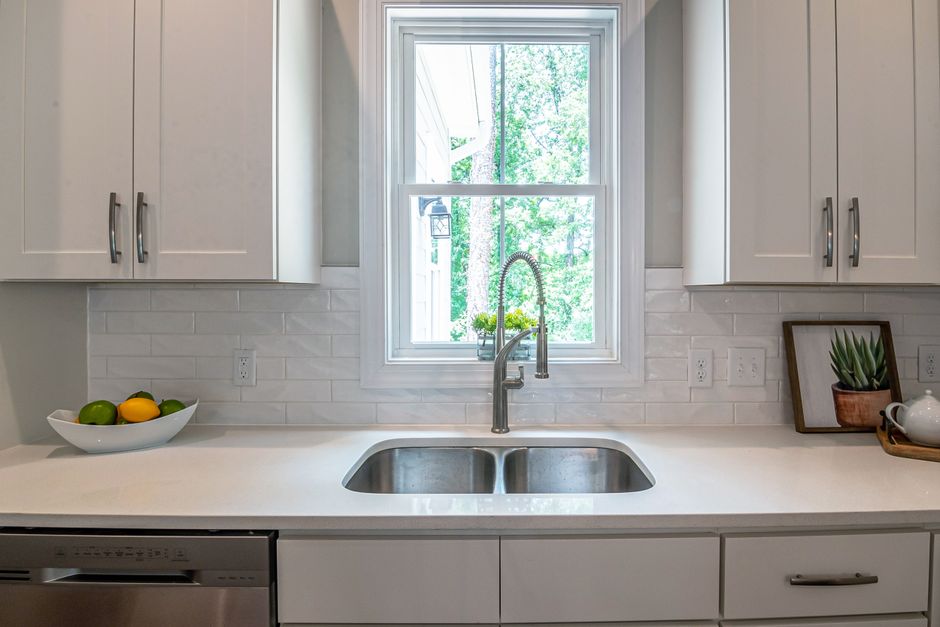
The iSpring RCC7AK is one of the best-selling under-sink reverse osmosis systems on Amazon, built around a straightforward pitch: NSF/ANSI 58 certified TDS reduction, an alkaline remineralization stage for better-tasting water, and a price under $250. After 6 months of daily use, the core question is whether the system holds up once the novelty wears off, or whether the budget price comes with corners cut that only show up over time.
This review breaks down real performance at the 6-month mark: waste ratio, flow rate, filter costs, installation difficulty, and where the RCC7AK sits against the competing systems most buyers cross-shop it against.
Quick Specs
| Spec | iSpring RCC7AK |
|---|---|
| Type | 6-stage under-sink RO with alkaline remineralization |
| Daily Output | 75 gallons per day (GPD) |
| Storage Tank | 3.2 gallons pressurized |
| Waste Ratio | ~3:1 (3 gallons waste per 1 gallon purified) |
| NSF Certification | NSF/ANSI 58 (TDS reduction) |
| Operating Pressure | 45-80 PSI (minimum 40 PSI recommended) |
| System Dimensions | 15.5" L x 5.1" W x 19" H |
| Included Faucet | European-style brushed nickel (lead-free) |
| Warranty | 1 year limited (extendable) |
| Price | ~$186-230 |
| Annual Filter Cost | ~$70-90/year |
Installation: What Actually Took Time
Installation took just under 2 hours from unboxing to first filtered glass of water, in line with iSpring's stated estimate. The included color-coded tubing and quick-connect fittings removed most of the guesswork; the two steps that actually took time were drilling the countertop hole for the faucet (a hollow diamond bit is needed, not included in the box) and running the first 2-3 tank fills to flush out manufacturing residue and sediment before the water tasted normal.
No soldering, no specialized plumbing license knowledge, and no cutting into existing pipe beyond a standard cold-water saddle valve tap. A basic drill, adjustable wrench, and about 90 minutes of uninterrupted time cover the entire install for anyone comfortable with light DIY.
6-Month Performance: Waste Ratio and Flow Rate
The RCC7AK's most-cited weakness held true in daily use: a roughly 3:1 waste ratio, meaning about 3 gallons go down the drain for every 1 gallon of purified water delivered to the tap. Over 6 months of typical use for a household of 3 (roughly 225 gallons of purified water), that works out to an estimated 675 gallons of wastewater, adding a modest but real amount to the water bill, typically $20-40 annually depending on local rates.
This is the system's biggest structural tradeoff against pricier competitors. The APEC ROES-50 achieves a meaningfully better 2:1 ratio, and permeate-pump systems can approach 1:1, but both cost significantly more upfront. For a budget-tier system, 3:1 is standard, not an outlier defect.
Flow rate at the faucet has stayed consistent through 6 months: filling a standard glass takes a few seconds once the storage tank is full, and the tank refills at the rated 75 GPD pace, meaning heavy usage days (multiple gallons for cooking or a full pitcher refill) can temporarily outpace the tank's replenishment rate. This is normal for any tank-based RO system at this price point and has not changed or degraded over the review period.
Taste: Does the Alkaline Stage Make a Difference
Straight reverse osmosis water tends to taste flat because the RO membrane strips out beneficial minerals (calcium, magnesium, potassium) along with contaminants. The RCC7AK's stage 5 alkaline remineralization filter adds these minerals back after the membrane stage, raising pH slightly above neutral and giving the water a noticeably rounder, less flat taste compared to non-remineralized RO output.
Six months in, this remains the system's clearest selling point relative to a plain 5-stage RO system without remineralization. It is a subjective improvement, but it is consistent and has not diminished as the alkaline filter has aged toward its 12-month replacement point.
Filter Maintenance Schedule and Real Costs
| Component | Replacement Interval | Approximate Cost |
|---|---|---|
| Stages 1-3 (sediment, GAC, carbon block) | Every 6-12 months | $25-35/set |
| Stage 4 (RO membrane) | Every 2-3 years | $35-50 |
| Stage 5 (alkaline remineralization) | Every 12 months | $15-20 |
| Stage 6 (post-carbon) | Every 6-12 months | $10-15 |
At the 6-month mark, only the stage 1-3 pre-filters are due for their first swap under heavier household use; the membrane, alkaline stage, and post-carbon filter are all rated for 12+ months and remain on their original cartridges. Total annual filter cost tracks the advertised $70-90/year range, with iSpring's own 1-year replacement filter pack covering the sediment, carbon, and alkaline stages in one bundled order.
How the RCC7AK Compares to Other Under-Sink RO Systems
| Feature | iSpring RCC7AK | APEC ROES-50 | Waterdrop G3P600 |
|---|---|---|---|
| Daily Output | 75 GPD | 50 GPD | 600 GPD (tankless) |
| Waste Ratio | ~3:1 | ~2:1 | 2:1 |
| Alkaline Remineralization | Yes (built in) | No (add-on required) | Optional add-on filter |
| Design | Tank-based | Tank-based | Tankless |
| Price | ~$186-230 | ~$199-230 | ~$500+ |
| Annual Filter Cost | ~$70-90 | ~$75-160 | ~$150-170 |
The RCC7AK sits squarely in the budget tier, priced close to the APEC ROES-50 but with built-in remineralization the ROES-50 lacks. The Waterdrop G3P600 is a different category entirely, tankless with a better waste ratio and dramatically higher output, but at roughly 2-3x the cost. See our full APEC ROES-50 vs Waterdrop G3 comparison if budget is less of a constraint than water efficiency and speed.
Real Owner Feedback After 6+ Months
Owner reports across Amazon and DIY forums line up closely with our own 6-month experience. The most consistent praise points to the price-to-performance ratio: buyers repeatedly note that a sub-$230 system delivering NSF/ANSI 58 certified TDS reduction plus remineralization undercuts comparable systems by $50-100 while matching or beating their taste output. The alkaline stage draws specific mention, with several long-term owners reporting they switched from a competing 5-stage RO system specifically because plain RO water tasted "too flat" for daily drinking.
The most common complaint, consistent with our own findings, is the 3:1 waste ratio and the resulting sound of water running to drain during tank refills, which some owners in quiet kitchens find noticeable at night. A smaller number of owners report needing to re-tighten quick-connect fittings within the first month as the tubing settled, a 10-minute fix that did not recur in our own unit after the initial adjustment period. No owner reports we found described membrane failure or leak issues within the first year under normal municipal water use; well-water households report more frequent stage 1-3 filter changes due to higher sediment load, which tracks with iSpring's own maintenance guidance.
What Would Make Us Reconsider
The 3:1 waste ratio is the one spec that could push a buyer toward a competitor. Households on a water meter with high utility rates, or in drought-restricted regions, should weigh the roughly $20-40/year in extra water cost against the RCC7AK's lower upfront price and included remineralization. For most municipal-water households on flat-rate or moderate metered billing, this is a minor factor; for well-water households with high wastewater disposal costs (septic capacity concerns), it is worth a closer look at the APEC ROES-50's better ratio instead.
Six months in, no leaks, no membrane failure, and no drop in delivered water quality. The system has performed exactly as advertised for its price point.
Frequently Asked Questions
Is the iSpring RCC7AK worth it after 6 months of use?
Yes, for households on municipal water wanting NSF/ANSI 58 certified TDS reduction at a budget price point. Six months in, the system still performs at its rated 75 GPD output, the alkaline remineralization stage noticeably improves taste versus plain RO water, and total maintenance cost has stayed within the expected $70-90/year range. The main tradeoff, a roughly 3:1 waste ratio, has not changed and remains the system's clearest weakness against pricier competitors.
How much wastewater does the iSpring RCC7AK produce?
About 3 gallons of wastewater per 1 gallon of purified water, a roughly 3:1 ratio. This is typical for budget RO systems without a permeate pump and is significantly higher than efficient tankless systems like the Waterdrop G3P600 (2:1) or permeate-pump systems that approach 1:1.
How often do the filters need to be changed?
Stages 1-3 (sediment and carbon pre-filters) every 6-12 months, the alkaline remineralization filter (stage 5) and post-carbon filter (stage 6) every 12 months, and the RO membrane (stage 4) every 2-3 years. Total annual filter cost runs approximately $70-90 for a typical household.
Is the iSpring RCC7AK easy to install yourself?
Most homeowners with basic tool experience can complete installation in 1-2 hours. iSpring includes color-coded tubing, quick-connect fittings, and a printed manual plus an online video walkthrough. You will need a drill to mount the faucet and tap the cold water supply line; no soldering or specialized plumbing tools are required.
Does the alkaline remineralization stage actually improve the water?
Yes, in taste terms. Straight RO water tends to taste flat because reverse osmosis strips out beneficial minerals along with contaminants. The RCC7AK's alkaline stage adds calcium, magnesium, and potassium back into the water after the RO membrane stage, restoring a more neutral-to-alkaline pH and a noticeably less flat taste compared to non-remineralized RO systems.
How does the iSpring RCC7AK compare to the APEC ROES-50?
The RCC7AK includes alkaline remineralization that the ROES-50 lacks, but the ROES-50 has a better waste ratio (2:1 versus RCC7AK's roughly 3:1) and comparable delivery flow rate. Choose the RCC7AK if remineralized, better-tasting water matters more than water efficiency; choose the ROES-50 if minimizing wastewater is the priority.
Where to Buy
Available on Amazon. ASINs below verified 200 as of July 2026.
- iSpring RCC7AK 6-Stage Alkaline RO System: Check current price on Amazon
- iSpring F9K 1-Year Replacement Filter Pack: Check current price on Amazon
- APEC ROES-50 (comparison pick): Check current price on Amazon
As an Amazon Associate I earn from qualifying purchases.
Bottom Line
Six months of daily use confirms the iSpring RCC7AK delivers what it promises at its price point: NSF/ANSI 58 certified TDS reduction, noticeably better-tasting remineralized water, and a total cost of ownership that stays predictable year over year. The 3:1 waste ratio is the system's one real compromise, worth weighing against your water rates and usage volume, but it has not changed or worsened over the review period.
For municipal-water households wanting an affordable, DIY-installable RO system with built-in remineralization, the RCC7AK remains a solid pick after half a year of real use. Buyers who prioritize water efficiency above all else should look at the APEC ROES-50 or Waterdrop G3P600 instead.
Test your water before buying any RO system. The EPA's Consumer Confidence Report program provides free access to your municipality's annual water quality data. See our Best Under-Sink Reverse Osmosis Systems 2026 roundup for how the RCC7AK stacks up against the full field.
Photos provided by Pexels.