Whole House Filter Maintenance Costs Over 5 Years (2026)
Affiliate Disclosure: WaterFilterGeek participates in the Amazon Services LLC Associates Program. We earn commissions from qualifying purchases through our Amazon links at no extra cost to you. We recommend products based on specifications, performance, and value, not commission rates.
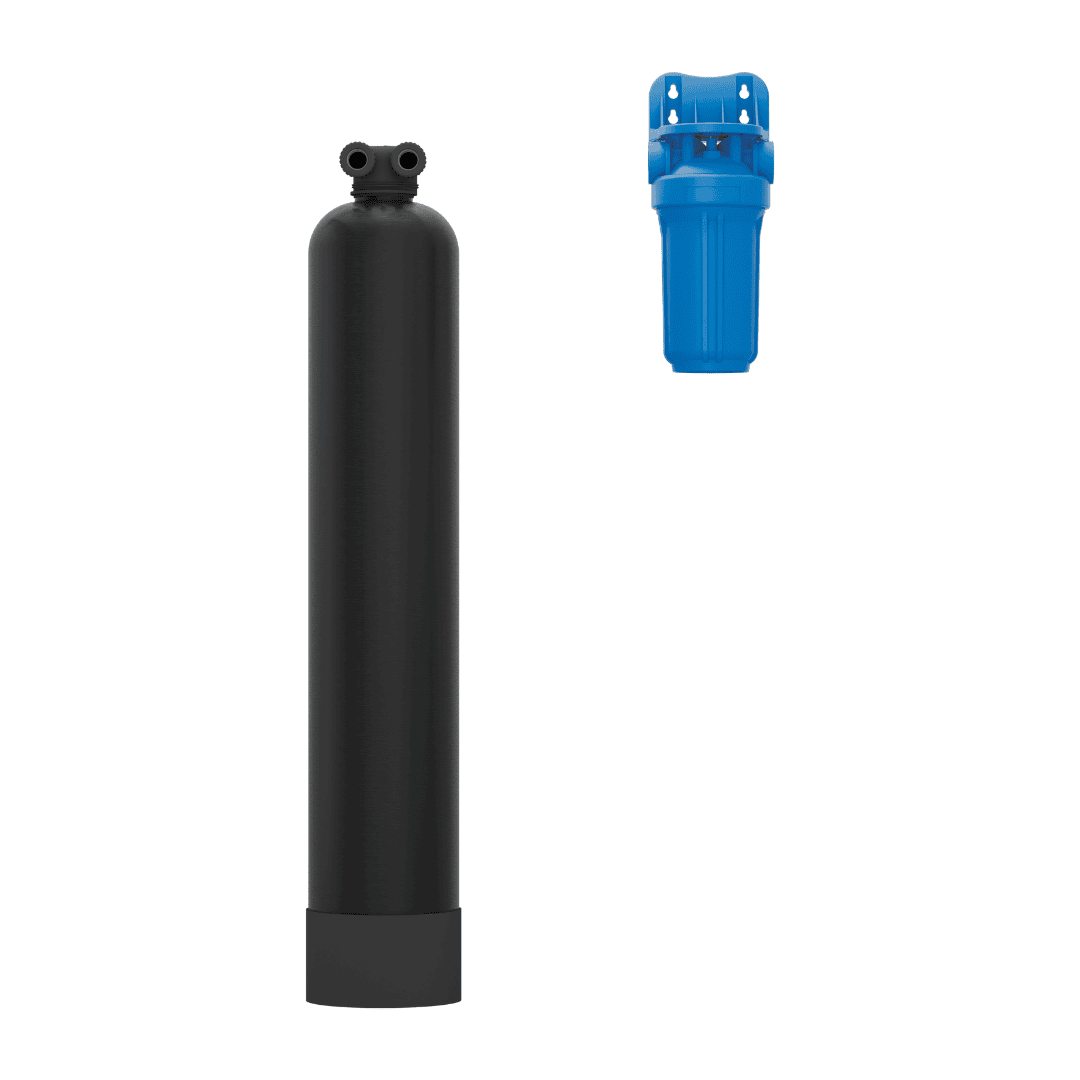
The sticker price on a whole house water filter is only part of the real cost. What separates a $250 system from a $1,300 system over five years is not just the upfront number, it's how often you're buying replacement media and how much each replacement costs. This guide breaks down actual 5-year maintenance costs across the systems most commonly compared on this site: SpringWell CF1, Aquasana Rhino, Pelican PC600, and iSpring WGB32B, so you can budget accurately instead of getting surprised by year-two cartridge costs.
Quick Picks
| Product | Best For | Price | Link |
|---|---|---|---|
| SpringWell CF1 Whole House Filter | Lowest 5-year maintenance cost, long media life | ~$799-1,299 | Check Price on Amazon |
| Aquasana Rhino WH-1000 | 10-year media life, proprietary filter housings | ~$999-1,899 | Check Price on Amazon |
| iSpring WGB32B 3-Stage Filter | Lowest upfront cost, budget-friendly | ~$180-250 | Check Price on Amazon |
5-Year Maintenance Cost At a Glance
| System | Upfront Cost | Media Life | 5-Year Maintenance | 5-Year Total |
|---|---|---|---|---|
| SpringWell CF1 | $799-$1,299 | 1,000,000 gal / 7-10 yr | ~$175-250 (sediment pre-filter only) | ~$974-1,549 |
| Aquasana Rhino WH-1000 | $999-$1,899 | 1,000,000 gal / 10 yr | ~$150-225 (pre/post-filter only) | ~$1,149-2,124 |
| Pelican PC600 | $799-$999 | 600,000 gal / ~5 yr | ~$400-500 (one media replacement at year 5) | ~$1,199-1,499 |
| iSpring WGB32B | $180-$250 | 100,000 gal / 6-12 mo per cartridge set | ~$300-400 (5 cartridge sets) | ~$480-650 |
Why Filter Life Matters More Than Sticker Price
The natural instinct when comparing whole house filters is to look at the upfront price and pick the cheapest one. That instinct produces the wrong answer for anyone planning to own the system for more than 2-3 years. A $250 system that needs $70-100 in cartridges every year adds up to $350-500 in maintenance alone by year 5, on top of the original purchase. A $1,000 system with a 10-year media life might need only $200 in sediment pre-filter changes across that same 5-year window. The gap between "lowest price" and "lowest 5-year cost" is real, and it depends entirely on media life and replacement frequency, not the number on the box.
SpringWell CF1: Maintenance Breakdown
| Component | Replacement Interval | Cost Per Replacement | 5-Year Total |
|---|---|---|---|
| Sediment pre-filter | 6-9 months | ~$35 | ~$175-245 |
| KDF/carbon media tank | 7-10 years | ~$400-500 | $0 (not due within 5 years for most households) |
The CF1's main tank media typically outlasts the 5-year window entirely, meaning the only recurring cost is the sediment pre-filter. This is the single biggest reason the CF1 has one of the lowest true 5-year maintenance costs among premium whole house filters, despite the highest upfront price in this comparison.
Check current SpringWell CF1 price on Amazon
Aquasana Rhino WH-1000: Maintenance Breakdown
| Component | Replacement Interval | Cost Per Replacement | 5-Year Total |
|---|---|---|---|
| Pre-filter housing | 12 months | ~$30-40 | ~$150-200 |
| Post-filter housing | 12 months | Included in installation kit cycle | ~$0-25 (varies by kit purchase) |
| Main Rhino tank media | 10 years / 1,000,000 gal | ~$450-550 | $0 (not due within 5 years) |
The Rhino's maintenance profile closely mirrors the CF1's: the main tank media outlasts the 5-year window, and the recurring cost is limited to pre- and post-filter housing swaps. One important note: Aquasana's replacement filters are proprietary and must be purchased from Aquasana directly or its authorized resellers, unlike some competitors whose sediment pre-filters accept generic third-party cartridges. Factor this into your ongoing cost expectations, as proprietary parts can run slightly higher than generic equivalents.
Check current Aquasana Rhino WH-1000 price on Amazon
Pelican PC600: Maintenance Breakdown
| Component | Replacement Interval | Cost Per Replacement | 5-Year Total |
|---|---|---|---|
| Coconut shell carbon + KDF media | 600,000 gal / ~5 years | ~$400-500 | ~$400-500 (one full replacement due right at year 5) |
The PC600 is structurally different from the CF1 and Rhino: it has no separate cartridge-based pre-filter to swap on a shorter cycle, but its 600,000 gallon media life means a full replacement lands right around the 5-year mark for an average household, versus 7-10 years for the higher-capacity systems. This makes its 5-year maintenance cost the highest in dollar terms among the tank-based systems, even though its upfront price is comparable to the CF1. Households with lighter-than-average water usage may stretch this interval past 5 years; heavy-use households (large families, frequent laundry, irrigation tie-ins) may need the replacement slightly earlier.
iSpring WGB32B: Maintenance Breakdown
| Component | Replacement Interval | Cost Per Replacement | 5-Year Total |
|---|---|---|---|
| Sediment + 2 carbon block cartridges (full set) | 6-12 months | ~$60-80 per set | ~$300-400 (5 sets over 5 years) |
The WGB32B's 100,000 gallon capacity per cartridge set means an average household of four replaces the full 3-cartridge set roughly once per year, sometimes every 6 months on higher-usage households or water with elevated sediment. Over 5 years, this adds up to $300-400 in cartridge costs, which is more in maintenance dollars than either the SpringWell CF1 or Aquasana Rhino incur in the same period, even though the WGB32B's upfront cost is a fraction of theirs. For budget-conscious buyers, the WGB32B still wins on total 5-year cost because the upfront price gap is so large, but the annual cartridge-buying cadence is a real ongoing commitment worth planning for.
Check current iSpring WGB32B price on Amazon
What Increases Maintenance Costs Beyond the Manufacturer Estimate
Every cost figure above assumes moderate water quality and average household usage. Several factors push real-world costs higher than the manufacturer's rated interval:
- High sediment or turbidity: Well water especially, but also some municipal supplies after infrastructure work or heavy rain, clogs sediment pre-filters faster than the rated 6-9 month interval, sometimes requiring changes every 3-4 months.
- Iron and manganese: Fouls carbon and KDF media faster than clean water, shortening the effective life of tank-based systems below their gallon rating.
- Household size and usage: Manufacturer estimates typically assume a household of 3-4 people. Larger households or homes with high water usage (frequent laundry, irrigation, pools) will hit gallon-based replacement thresholds sooner than the stated year estimate.
- Hard water: Accelerates scale buildup inside tank-based systems, gradually reducing flow rate even before the media is fully spent, sometimes prompting earlier-than-rated replacement for performance reasons.
Testing your water before installation, covered in more detail in our well water and city water buying guides, helps set realistic maintenance expectations rather than relying purely on manufacturer averages.
How to Reduce Whole House Filter Maintenance Costs
1. Buy Sediment Pre-Filters in Bulk
Sediment pre-filter cartridges (the most frequently replaced component across every system in this comparison) are often available in multi-packs at a lower per-unit cost than single cartridges. A 6-pack purchased once covers 3-4.5 years of replacements at typical intervals and usually costs less per cartridge than buying individually each time.
2. Match System Capacity to Actual Household Usage
Oversizing a system (buying a CF4 for a 2-bathroom home, for example) does not reduce maintenance costs proportionally, since replacement is based on both gallons used and calendar time. Right-sizing to your actual household reduces waste without sacrificing performance.
3. Set a Calendar Reminder, Not a Gallon-Based Guess
Sediment pre-filters degrade with both usage and time, even in low-usage periods. A simple 6-month calendar reminder catches replacement timing more reliably than trying to estimate gallons used, particularly for cartridge-based systems without integrated usage tracking.
4. Use the Manufacturer App If Available
SpringWell's Bluetooth app tracks actual filter life based on real usage data rather than a flat calendar estimate, which can extend replacement intervals for lower-usage households and avoid premature swaps.
DIY vs. Professional Maintenance: What Actually Changes Cost
Every cost table above assumes DIY replacement, which is realistic for the vast majority of maintenance tasks across all four systems. Swapping a sediment pre-filter cartridge takes 5-10 minutes with no tools beyond the included housing wrench. Replacing a full carbon media tank (the CF1's or Rhino's once-a-decade event, or the PC600's 5-year event) is a bigger job but still squarely within DIY territory for anyone comfortable with basic plumbing, typically 1-2 hours.
Where professional service adds real cost is if you skip the DIY route entirely. A plumber visit for a simple cartridge swap runs $75-150 for a service call, which is a poor use of money for a task most homeowners can learn in one YouTube video. Reserve professional help for the initial installation (if you're not comfortable cutting into your main water line) rather than routine maintenance, which is where the recurring cost tables above apply.
Tracking Your Maintenance Schedule
The single most common cause of premature system failure or shortened media life across every system in this comparison is a missed or delayed sediment pre-filter change. A clogged pre-filter doesn't just reduce water pressure; it forces the main carbon or KDF media to work harder filtering particles it wasn't designed to catch, which can shorten the expensive main tank's working life well below its rated capacity.
A simple system: mark your replacement date on a physical calendar or phone reminder at installation, and again immediately after each swap. For systems with app connectivity (SpringWell's Bluetooth app is the standout here), let the app's usage-based tracking supplement, not replace, your manual reminder, since app battery or connectivity issues do occasionally cause missed notifications.
When Higher Upfront Cost Wins Long-Term
The maintenance cost data above supports a clear pattern: for households planning to stay in their home 7+ years, the SpringWell CF1 or Aquasana Rhino's higher upfront cost is offset by dramatically lower recurring maintenance, especially once you factor in the time cost of more frequent cartridge changes. For households planning a shorter stay, or renters improving a property they don't own long-term, the iSpring WGB32B's lower upfront cost and acceptable maintenance burden make more financial sense, since you likely won't own the system long enough to benefit from the CF1 or Rhino's long media life advantage.
The Pelican PC600 occupies a middle position: comparable upfront cost to the CF1, but its 5-year media life means you're likely to face a full replacement cost within a typical ownership window, which is the least favorable combination in this comparison unless the PC600's specific coconut shell carbon quality is a priority for your household.
Frequently Asked Questions
Which whole house filter has the lowest 5-year maintenance cost?
Among 1,000,000-gallon systems, the SpringWell CF1 has the lowest 5-year maintenance cost because its media life (7-10 years typical) usually means zero media replacement within a 5-year window, only sediment pre-filter swaps at roughly $35 every 6-9 months. Cartridge-based systems like the iSpring WGB32B have a lower upfront price but accumulate $300-400 in cartridge costs over 5 years due to annual or semi-annual replacement.
How much does it cost to maintain a whole house water filter per year?
Cartridge-based systems (iSpring, Express Water) typically cost $60-100 per year in replacement cartridges. Tank-based systems with long media life (SpringWell CF1, Aquasana Rhino, Pelican PC600) cost $40-70 per year for sediment pre-filter changes, with a larger one-time media replacement cost of $400-500 occurring only once every 5-10 years depending on system and water quality.
Do whole house filters need professional maintenance?
No. All systems compared here are designed for homeowner-level maintenance: swapping a sediment pre-filter cartridge or replacing a carbon media tank following manufacturer instructions. No specialized tools or plumbing licensure is required for routine maintenance, only for the initial installation if you choose not to DIY that step.
Does harder or dirtier water increase maintenance costs?
Yes. Manufacturer-rated filter life assumes moderate water quality. Wells or municipal supplies with high sediment, iron, or hardness will foul sediment pre-filters and shorten media life faster than the rated interval, increasing real-world costs above the manufacturer estimate. Getting your water tested before installation helps set realistic maintenance expectations.
Why Trust WaterFilterGeek
WaterFilterGeek researches whole house and point-of-use filtration systems against manufacturer specifications, NSF/WQA certification data, and verified buyer feedback. We do not accept payment for placement, and every recommendation reflects our independent assessment of fit for the stated use case. Product prices and availability are current as of publication and subject to change.
Bottom Line
Upfront price tells you almost nothing about what a whole house filter will actually cost you over 5 years. Long-media-life tank systems like the SpringWell CF1 and Aquasana Rhino front-load their cost into the purchase price and largely avoid recurring media expenses within a typical 5-year ownership window. Cartridge-based systems like the iSpring WGB32B keep upfront cost low but add up steadily in annual cartridge purchases. Calculate the full 5-year number before you buy, not just the price tag on the box.
Related: Best Whole House Water Filters 2026
Also see: Best Whole House Filter for City Water
Also see: Best Whole House Filter for Well Water