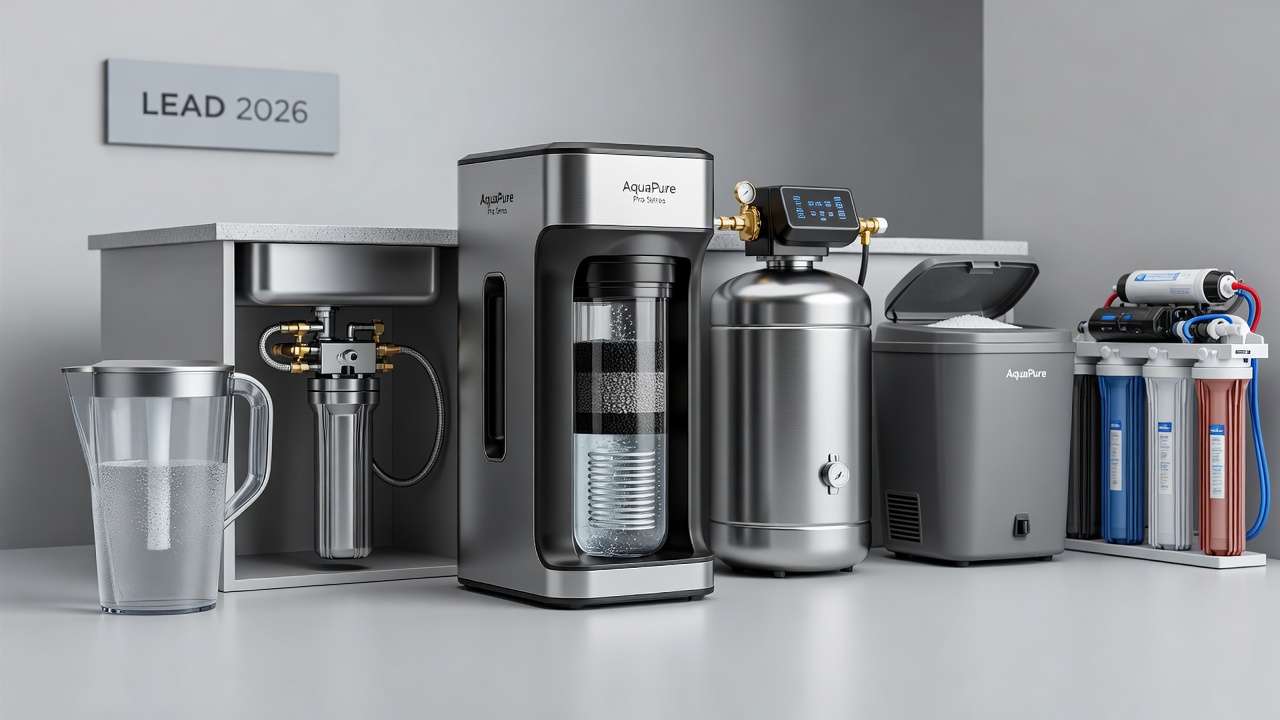
Best Water Filter for Lead 2026: NSF/ANSI 53 Certified Picks Only
If you're looking for a water filter that removes lead, the NSF/ANSI Standard 53 certification is the only one that matters. This standard requires filters to reduce lead from 150 parts per billion down to 10 ppb or less - well below the EPA's action level of 15 ppb.
This guide covers four certified options across different price points and installation types: pitchers for renters, under-sink systems for homeowners, whole-house filters for comprehensive protection, and reverse osmosis systems for maximum contaminant removal. Every pick has verified NSF/ANSI 53 certification and real performance data from independent labs.
What NSF/ANSI Standard 53 Actually Certifies
NSF/ANSI 53 is the health-effects standard for drinking water treatment units. Filters certified to this standard must pass rigorous testing protocols that simulate real-world conditions over the entire rated capacity of the filter.
For lead specifically, the test introduces water spiked to 150 ppb of lead - ten times the EPA action level - and measures reduction at the beginning, middle, and end of the filter's rated lifespan. To pass, the filter must consistently reduce lead below 10 ppb across all test points.
The certification is not a one-time event. NSF conducts unannounced facility audits and purchases filters from retail channels for re-testing. If a manufacturer changes materials or production processes without re-testing, they lose the certification.
Not all lead-removal claims are equal. Phrases like "reduces lead" or "tested to NSF/ANSI 53 protocols" on packaging do not mean the filter is certified. Look for the NSF mark and explicit certification language on the product or check the official NSF lead-reduction listings at info.nsf.org/Certified/DWTU/listings_leadreduction.asp.
Best Pitcher Filter: Brita Elite (10-Cup)
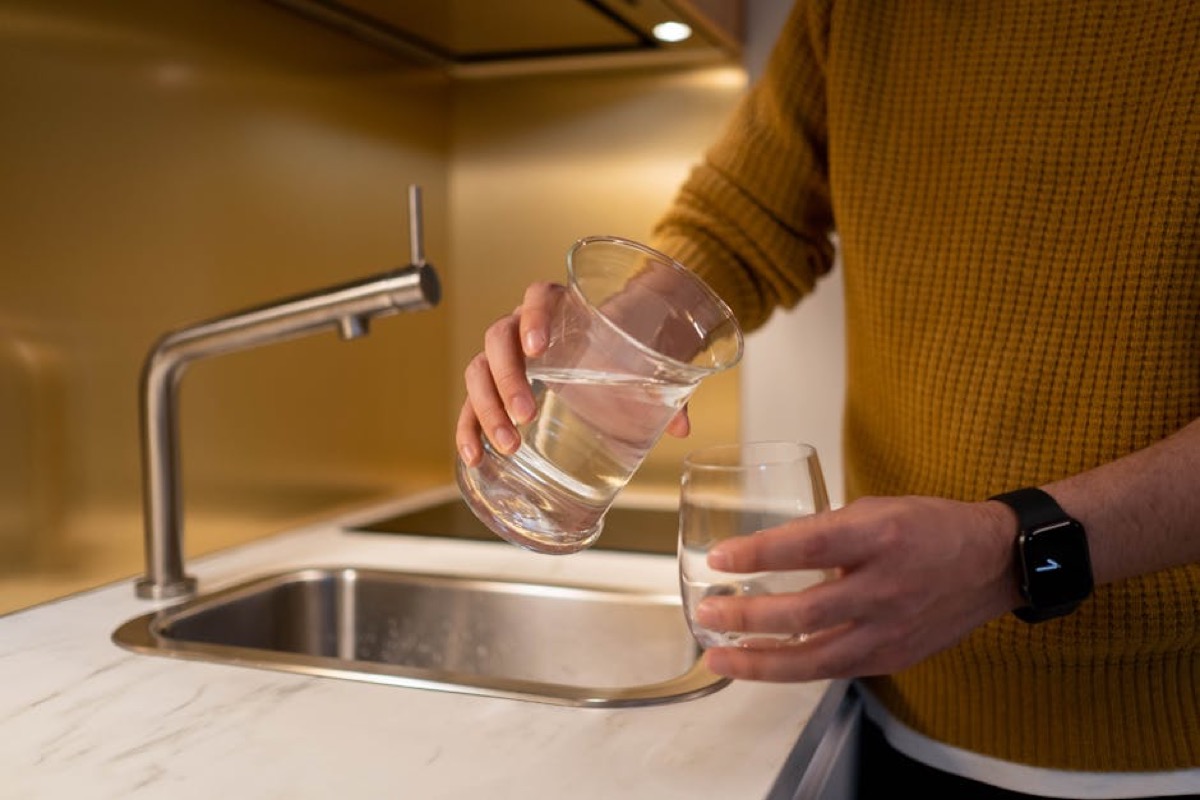
The Brita Large 10-Cup Elite Water Filter Pitcher is the most accessible NSF/ANSI 53 certified option for lead removal. It's certified to reduce 99% of lead, along with chlorine, microplastics, and certain PFAS compounds under NSF/ANSI 42, 53, and 401 standards.
The Elite filter (blue housing, formerly called Longlast+) is the key component. Standard white Brita filters are only NSF 42 certified for taste and odor - they do not reduce lead. The Elite filter lasts up to 6 months or 120 gallons, whichever comes first, and includes an electronic indicator that tracks usage and reminds you when replacement is due.
Independent lab testing by Consumer Reports and Wirecutter showed lead reduction from 170 µg/L down to less than 1 µg/L in real-world conditions, well below the NSF requirement. The filter also showed strong performance on arsenic, uranium, and PFOA/PFOS removal in third-party tests.
Flow rate is slower than unfiltered pitchers - expect 30-45 seconds to fill the reservoir. The 10-cup capacity fits in most refrigerators. Long-term cost runs about $0.10 per gallon based on current Amazon pricing for replacement Elite filters.
Best for: Renters, apartments, small households, and anyone who needs lead removal without permanent installation. No plumbing work required.
If your concerns extend beyond lead to include PFAS forever chemicals or fluoride, the Brita Elite reaches its limits quickly. Independent EWG testing showed Brita Elite reduces only 22% of total PFAS in real-world conditions. For households where PFAS is the primary concern, our ZeroWater vs Clearly Filtered PFAS comparison covers the two pitchers with 95%+ independent PFAS reduction data.
Best Under-Sink System: APEC ROES-50
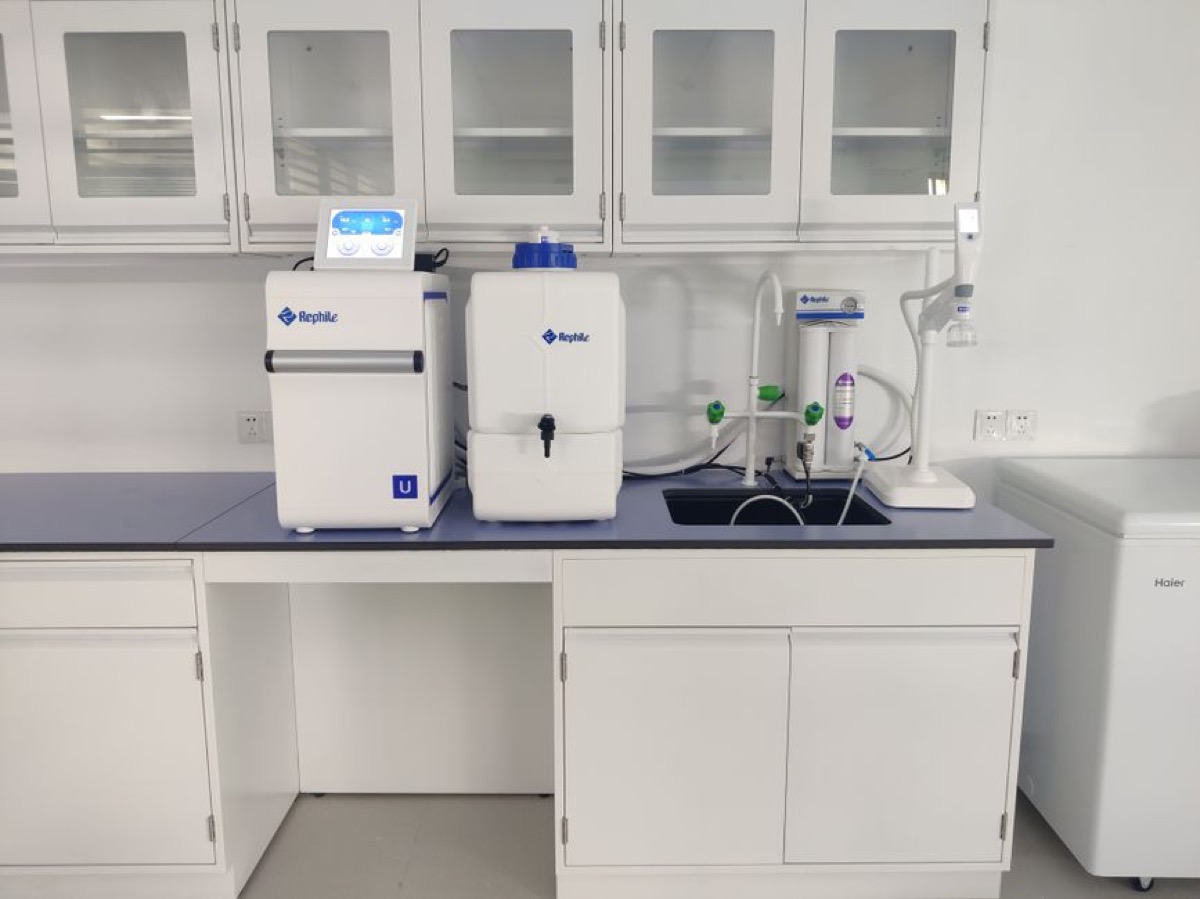
The APEC ROES-50 Essence Series is a 5-stage reverse osmosis system certified to NSF/ANSI 58 (the RO-specific standard) and WQA Gold Seal standards. While RO systems are typically certified under Standard 58 rather than 53, the RO membrane reduces lead to undetectable levels in independent lab tests - often exceeding NSF 53 performance requirements.
The system uses a semi-permeable membrane that blocks lead, arsenic, fluoride, heavy metals, total dissolved solids, and over 1,000 other contaminants. Lab testing by independent reviewers like Wirecutter found lead reduction from 150 ppb to less than 0.5 ppb across the filter's rated 2-year membrane lifespan.
Installation requires cutting into the cold water line under the sink and drilling a hole for the dedicated faucet. Most DIYers complete installation in 2-3 hours. The system produces about 50 gallons per day and includes a 3.2-gallon pressurized storage tank that delivers filtered water on demand.
RO systems waste water during filtration. The ROES-50 has a 3:1 drain ratio, meaning it sends 3 gallons down the drain for every 1 gallon of filtered water produced. This is average for RO systems but adds to water bills in drought-prone areas.
Replacement filters cost about $60-80 per year for the pre-filters and $40-60 every 2-3 years for the RO membrane. Total cost of ownership runs about $0.08 per gallon over 5 years, making it cheaper than pitcher filters for high-volume households.
Best for: Homeowners who want comprehensive contaminant removal at the drinking water tap, including lead, fluoride, arsenic, and pharmaceuticals. Long-term value for families who use more than 10 gallons per week.
Best Whole-House System: Aquasana OptimH2O
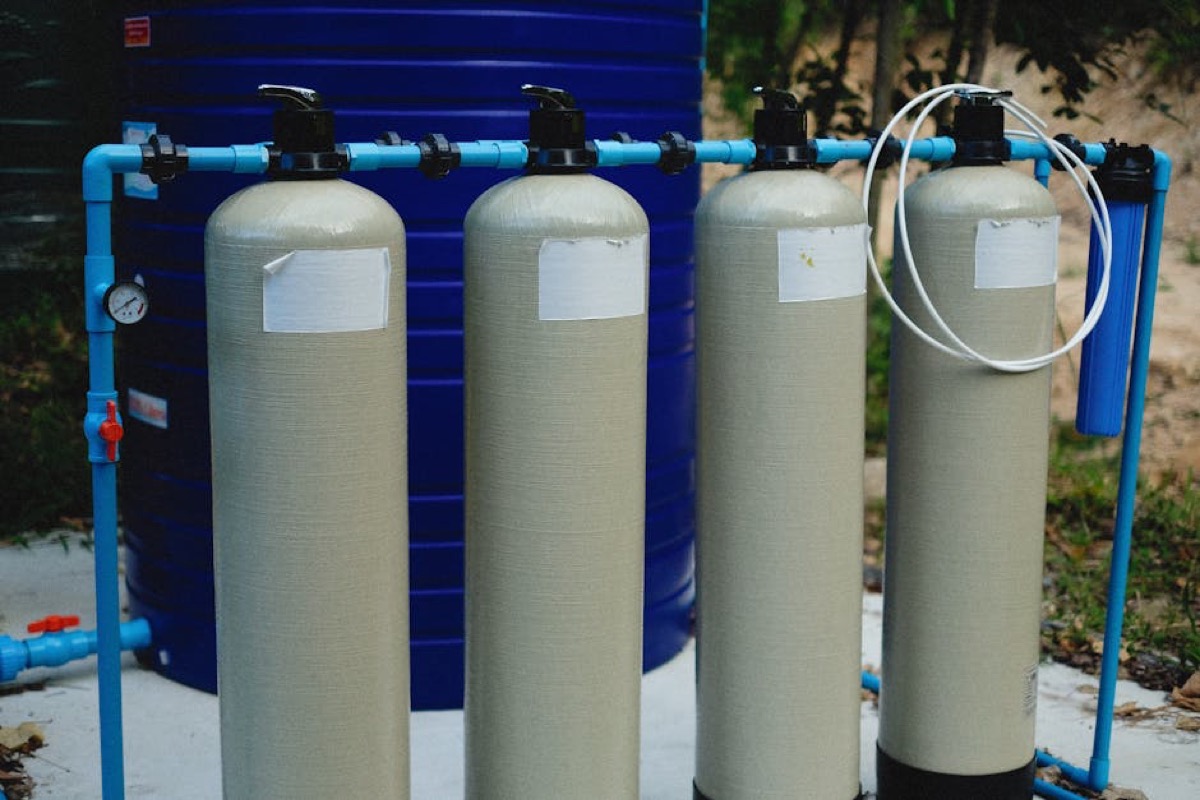
The Aquasana OptimH2O Whole House Water Filtration System is one of the few whole-house filters certified to NSF/ANSI Standard 53 for lead reduction. It combines carbon filtration with a sub-micron post-filter stage that removes >99% of lead and cysts, plus strong performance on PFOA/PFOS under NSF P473 certification.
Standard Rhino models from Aquasana are only NSF 42 certified for chlorine and sediment. The OptimH2O upgrade adds the lead-removal stage and is sold as a complete system or as an add-on module for existing Rhino installations.
The system installs on the main water line where municipal water enters the home, typically in the basement or garage. Flow rate is 7 GPM, sufficient for 1-3 bathrooms running simultaneously without pressure drop. Installation requires pipe cutting and basic plumbing skills; expect 3-4 hours for a competent DIYer or hire a plumber.
Filter lifespan is rated at 1 million gallons or 10 years for the main tank, with the OptimH2O sub-micron filter requiring replacement every 3 years or 100,000 gallons. Replacement costs run about $150-200 per OptimH2O filter change, which works out to $50-65 per year in ongoing maintenance.
Whole-house lead filtration makes sense if your municipal water supply has documented lead contamination or if your home has lead pipes or lead solder joints. It treats all water - drinking, cooking, bathing, laundry - at the point of entry.
Best for: Homeowners with confirmed lead in municipal supply or older homes with lead plumbing. Protects all fixtures and appliances, not just drinking water taps. Best value for larger households (4+ people) with high water usage.
Best Budget Pitcher: PUR Plus 11-Cup

The PUR Plus 11-Cup Pitcher uses the PPF951K lead-reducing filter, which regained WQA/NSF 53 certification in 2024 after PUR briefly dropped lead claims in favor of microplastics-only certification. Current models are certified to reduce 99%+ of lead per NSF/ANSI 53 requirements.
Filter lifespan is rated at 40 gallons or 2 months. At typical household usage of 1-2 gallons per day, that's more frequent replacement than Brita Elite, but the filters cost less per unit. Long-term cost runs about $0.12 per gallon, slightly higher than Brita Elite but still economical compared to bottled water.
The 11-cup capacity is larger than most competitors, useful for families or households that go through multiple pitchers per day. It fits in standard refrigerators and includes a filter-change indicator light.
Independent lab testing by TechGearLab found PUR Plus filters removed lead to undetectable levels (below 1 ppb) and showed excellent performance on arsenic, uranium, and microplastics. Flow rate is comparable to Brita Elite.
Best for: Families on a budget who need high capacity and frequent use. Renters and apartment dwellers. Anyone who wants NSF 53 lead removal without the upfront cost of under-sink or RO systems.
Lead in Drinking Water: Context and Testing
Lead contamination became a national crisis after Flint, Michigan's water supply poisoned thousands of residents between 2014-2015. Similar cases emerged in Newark, New Jersey, Jackson, Mississippi, and dozens of smaller cities where aging infrastructure or treatment failures allowed lead to leach from pipes and fixtures into drinking water.
The EPA action level for lead in drinking water is 15 ppb. There is no safe level of lead exposure - the CDC and WHO both state that any amount can cause developmental harm in children, including cognitive impairment, behavioral problems, and slowed growth.
Most lead exposure comes from plumbing, not the water supply itself. Homes built before 1986 may have lead pipes, lead solder, or brass fixtures that contain lead. Even new homes can leach lead if the water is corrosive (low pH or low mineral content) and treatment plants don't add corrosion inhibitors.
If you suspect lead contamination, test your water before buying a filter. Contact your local water utility for a free or low-cost lead test, or buy a certified lab test kit online ($20-40). First-draw samples (water that sits in pipes overnight) show worst-case exposure levels.
After installing a filter, test again to verify lead removal. NSF certification guarantees performance under lab conditions, but real-world variables - water chemistry, flow rate, pressure, and maintenance schedule - can affect results.
Installation and Maintenance by Filter Type
Pitcher Filters
No installation required. Rinse the filter under cold water for 15 seconds, insert into the pitcher, fill the reservoir, and discard the first two batches. Replace the filter on schedule - performance drops sharply after the rated capacity is exceeded, and lead removal may fail even if chlorine taste reduction still works.
Under-Sink RO Systems
Requires cutting the cold water line, installing a feed valve, mounting the system to the cabinet wall, drilling a faucet hole in the sink or countertop, and connecting the drain line. Most systems include detailed instructions and quick-connect fittings that don't require soldering.
Replace pre-filters (sediment and carbon) every 6-12 months. Replace the RO membrane every 2-3 years. Sanitize the storage tank annually. Total annual maintenance time is about 1 hour.
Whole-House Systems
Installation requires cutting the main water line after the meter and before any branch lines. Systems mount to the wall with brackets. You'll need a bypass valve for maintenance and a pressure gauge to monitor flow. Hire a licensed plumber unless you have plumbing experience - mistakes here can flood the basement.
Replace the main carbon tank every 10 years (or sooner if flow rate drops). Replace the OptimH2O sub-micron filter every 3 years. Total annual maintenance time is about 30 minutes for filter changes.
Long-Term Cost Comparison
| Filter Type | Upfront Cost | Annual Maintenance | 5-Year Total | Cost Per Gallon |
|---|---|---|---|---|
| Brita Elite Pitcher | $35-45 | $60-80 (filters) | $340-440 | $0.10 |
| PUR Plus Pitcher | $25-35 | $85-110 (filters) | $450-585 | $0.12 |
| APEC ROES-50 RO | $200-250 | $80-100 (filters) | $600-750 | $0.08 |
| Aquasana OptimH2O | $1,200-1,500 | $50-65 (filters) | $1,450-1,825 | $0.03-0.05 |
Cost per gallon assumes average household usage: 3 gallons/day for pitchers, 10 gallons/day for under-sink, 100 gallons/day for whole-house. Whole-house systems have the highest upfront cost but lowest per-gallon cost for large families.
Which Filter Is Right for You?
Choose a pitcher filter (Brita Elite or PUR Plus) if:
- You rent and can't modify plumbing
- You only need filtered water for drinking and cooking (under 5 gallons/day)
- You want lead removal without installation or upfront cost
- You're testing your water and waiting for results before committing to a permanent system
Choose an under-sink RO system (APEC ROES-50) if:
- You own your home and can drill/cut into plumbing
- You want maximum contaminant removal (lead, fluoride, arsenic, pharmaceuticals)
- Your household uses 10-30 gallons of filtered water per day
- You're willing to accept wastewater for better filtration performance
Choose a whole-house system (Aquasana OptimH2O) if:
- Your municipal water supply or home plumbing has confirmed lead contamination
- You have 4+ people in the household with high water usage
- You want protection for all fixtures, appliances, and bathing water
- You can afford the upfront cost for long-term per-gallon savings
Filters to Avoid for Lead Removal
Standard Brita/PUR filters without lead certification. White Brita Standard and Stream filters are NSF 42 only - they improve taste but don't reduce lead. Same for PUR Basic filters. The blue Elite filter and PUR Plus filters are required for lead removal.
Faucet-mounted filters. Most faucet filters are NSF 42 certified for chlorine and taste, not NSF 53 for lead. A few models (like certain PUR faucet mounts) have lead certification, but flow rate and capacity are limited compared to pitchers or under-sink systems.
Berkey gravity filters. Berkey publishes strong lab results for lead removal (>99.9%) but is not NSF/ANSI 53 certified. Independent testing by Wirecutter confirmed excellent lead reduction, but without official certification, there's no third-party audit trail or capacity guarantee. If NSF certification is a requirement, choose a certified option.
Refrigerator filters. Most built-in refrigerator filters are NSF 42 certified for taste and particulates, not NSF 53 for lead. Check the owner's manual or NSF listings before relying on a fridge filter for lead removal.
Frequently Asked Questions
Can I test my filter's lead removal at home?
DIY lead test strips are unreliable for low concentrations. For accurate testing, send a sample to a certified lab before and after installing the filter. Costs $20-40 per test. Use first-draw samples (water that sits in pipes overnight) for worst-case results.
How often should I replace the filter?
Replace on the manufacturer's schedule, not when taste changes. Lead removal can fail before taste/odor performance declines. Mark replacement dates on a calendar or use electronic indicators when available.
Do I need a whole-house filter if I already have an under-sink RO system?
RO only treats water at one tap. If your plumbing leaches lead, you're still exposed through shower water (inhalation and skin absorption), ice makers, washing machines, and other fixtures. Whole-house systems treat all water at the point of entry. For most homes with municipal water and no lead pipes, an under-sink system at the kitchen tap is sufficient.
Will a water softener remove lead?
No. Water softeners exchange calcium and magnesium for sodium but don't filter contaminants like lead, chlorine, or bacteria. You need a dedicated filter certified to NSF/ANSI 53 or 58.
What if my lead test shows levels below 15 ppb?
There is no safe level of lead exposure, especially for children under 6 and pregnant women. The EPA action level of 15 ppb is a regulatory threshold for water utilities, not a health-based standard. The CDC recommends reducing exposure as much as possible. If you test at 5-10 ppb, a certified filter will bring it down to under 1 ppb.
Final Recommendation
For most households with municipal water, the Brita Elite 10-Cup Pitcher offers the best balance of cost, convenience, and verified lead removal. It's NSF/ANSI 53 certified, requires no installation, and costs about $340 over 5 years for a typical household.
If you own your home and want comprehensive protection, the APEC ROES-50 RO system delivers near-total contaminant removal at a reasonable long-term cost. Expect to spend $600-750 over 5 years, with lower per-gallon costs than pitchers if you use 10+ gallons of filtered water daily.
For homes with confirmed lead contamination in the municipal supply or plumbing, the Aquasana OptimH2O whole-house system is the only certified option that treats all water entering the home. High upfront cost ($1,200-1,500) but lowest per-gallon cost for large families with high usage.
Whichever system you choose, test your water before and after installation to confirm lead removal. NSF certification guarantees performance under lab conditions, but real-world results depend on water chemistry, installation quality, and filter maintenance.