WaterFilterGeek is reader-supported. When you buy through links on our site, we may earn a small commission at no extra cost to you. This never influences our recommendations.
LifeStraw Home 10-Cup Pitcher
Best overall for well water. Removes bacteria, parasites, microplastics, and 30+ chemicals. Dual-filter system.
Epic Pure Nano Filter Pitcher
Best filter life for well water. 150-gallon capacity, removes bacteria and heavy sediment. Made in USA.
ZeroWater 10-Cup with TDS Meter
Best for high mineral well water. 5-stage ion exchange, reduces TDS to 0. Includes TDS meter.
LifeStraw Home 7-Cup Glass
Best premium option. Glass construction, bacteria removal, compact design for smaller households.
Brita Elite 10-Cup
Best polishing filter. Use after whole-house well water treatment. Not for raw well water.
Well water creates challenges that standard pitcher filters cannot handle. Municipal water is pre-treated and chlorinated. Well water is not. It carries bacteria, parasites, sediment, iron, and high mineral content that will clog or overwhelm a basic Brita-style filter within days.
Most pitcher filters are designed exclusively for city water - chlorine taste removal and light contaminant reduction. They lack the filtration stages needed for raw well water. If you buy the wrong pitcher, you will replace filters weekly and still drink unsafe water.
This guide ranks pitchers by their ability to handle well water-specific contaminants. We focus on bacteria removal (hollow fiber membrane technology), sediment tolerance (multi-stage or gravity-fed designs), mineral reduction (ion exchange), and filter longevity under harsh conditions. Standard municipal water pitchers are excluded unless they work as a final polishing stage after whole-house treatment.
What to Look For in a Well Water Pitcher Filter
Well water demands different filtration technology than municipal water. Focus on these factors.
Well water can contain E. coli, Giardia, Cryptosporidium. Requires hollow fiber membrane filter rated to 0.2 microns or smaller. NSF P231 certification confirms this.
Dirt, sand, rust, and silt will clog single-stage carbon filters instantly. Look for pre-filters, multi-stage designs, or gravity-fed systems with sediment tolerance.
Well water often has 300-800 ppm TDS (calcium, magnesium, iron). Ion exchange filters handle this. Activated carbon alone does not.
Low levels (under 0.3 ppm iron) can be filtered. Higher levels require whole-house treatment first. Ion exchange works better than carbon for dissolved iron.
Manufacturer specs are based on clean city water. Well water will cut filter life by 30-50%. Epic Pure (150 gallons) and LifeStraw (264 gallons) last longest.
Divide annual filter replacement cost by gallons filtered. Well water burns through filters fast, so long-life filters save money despite higher upfront cost.
Quick Comparison: Best Well Water Pitcher Filters 2026
| Model | Capacity | Bacteria Removal | Filter Life | TDS Reduction | Price | Best For |
|---|---|---|---|---|---|---|
| LifeStraw Home 10-Cup | 10 cups | Yes (0.2µ membrane) | 264 gal membrane / 40 gal carbon | Moderate | ~$50 | Raw well water, bacteria concerns |
| Epic Pure Nano | 10 cups | Yes (bacteria rated) | 150 gallons | High | ~$55 | Sediment-heavy well water |
| ZeroWater 10-Cup | 10 cups | No | 15-40 gallons (TDS dependent) | 100% (0 ppm) | ~$35 | High mineral, hard well water |
| LifeStraw Home 7-Cup Glass | 7 cups | Yes (0.2µ membrane) | 264 gal membrane / 40 gal carbon | Moderate | ~$65 | Small households, premium design |
| Brita Elite 10-Cup | 10 cups | No | 120 gallons | Low | ~$30 | Polishing after whole-house treatment |
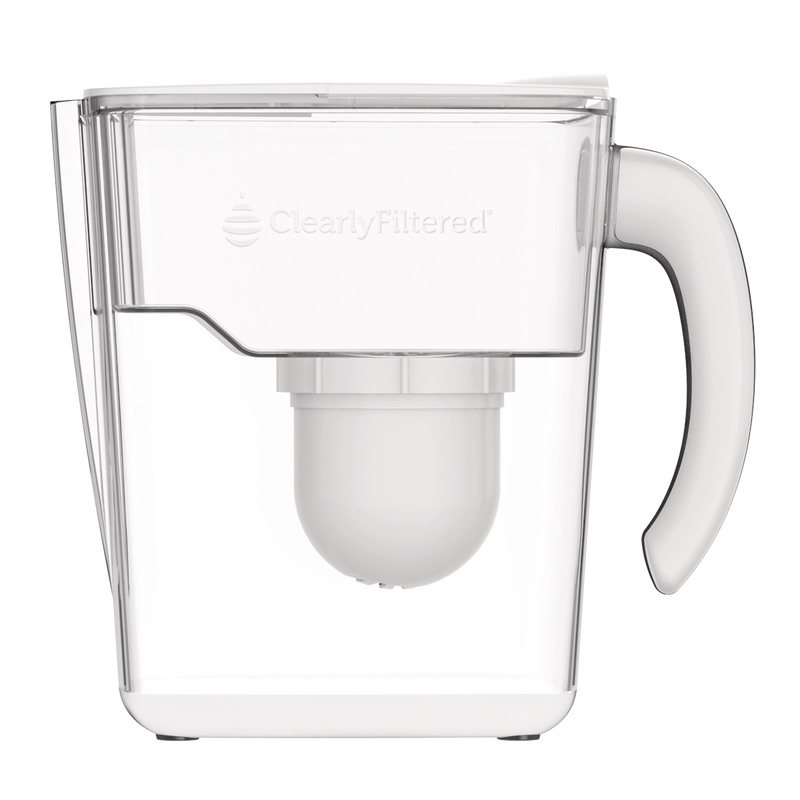
LifeStraw Home 10-Cup Water Filter Pitcher
Pros
- Only pitcher with bacteria and parasite removal (0.2 micron hollow fiber membrane)
- Dual-filter system: membrane + activated carbon for comprehensive protection
- Membrane filter lasts 264 gallons (1 year) - longest life for well water use
- NSF P231 certified for microbiological contaminant removal
- Removes microplastics, lead, mercury, PFAS (PFOA/PFOS), and 30+ chemicals
- 10-cup capacity suitable for families
- Carbon filter easily replaced every 2 months, membrane annually
Cons
- Requires two separate filter replacements (membrane + carbon)
- Carbon filter needs frequent replacement (40 gallons) with sediment-heavy water
- Does not remove high TDS or water hardness (calcium/magnesium)
- Plastic construction may absorb odors over time
The Verdict
The LifeStraw Home is the best pitcher filter for raw well water. Its hollow fiber membrane removes bacteria and parasites - contaminants that standard pitcher filters cannot touch. This makes it safe for untreated well water, assuming your water is free of heavy sediment and high iron. The dual-filter design catches both microbiological threats (membrane) and chemical contaminants (carbon). Filter life is excellent compared to competitors - the membrane lasts a full year, though the carbon filter still needs replacement every 2 months. If your well water has been tested and shows bacteria or parasite risk, this is the only pitcher-style option that addresses it.
Best for: Households with raw well water, bacteria concerns, and moderate sediment levels. Not ideal for extremely hard water (high TDS) - pair with a water softener or choose ZeroWater for that issue.
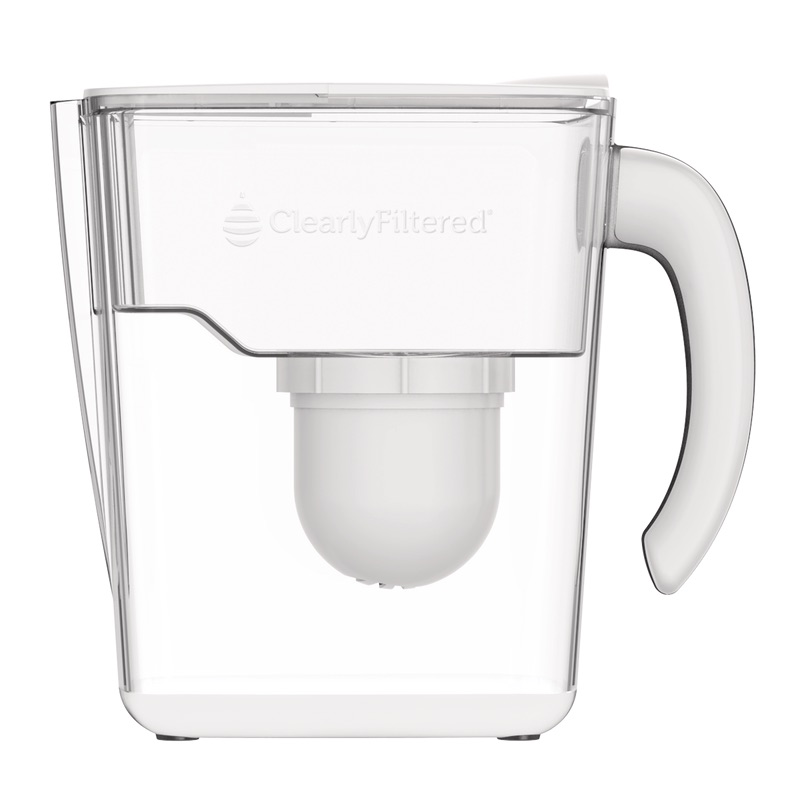
Epic Pure Water Filter Pitcher with Nano Filter
Pros
- 150-gallon filter life - longest in class, reduces replacement frequency
- Removes bacteria via nano-filtration (suitable for well water)
- Handles sediment better than standard carbon-only filters
- Removes 200+ contaminants including lead, PFAS, heavy metals, VOCs
- Made in USA with BPA-free Tritan plastic
- Lower annual filter cost due to extended lifespan
- Good for high sediment well water compared to Brita or PUR
Cons
- Slower flow rate (gravity-fed design) - takes 8-12 minutes per fill
- Higher upfront cost for filter replacements ($40 vs $15-25)
- Does not reduce TDS or hardness minerals as effectively as ion exchange
- Some users report difficulty getting filters to seat properly
The Verdict
The Epic Pure Nano pitcher is built for endurance. Its 150-gallon filter life is 3-4x longer than standard pitchers, which matters when well water accelerates filter wear. The nano-filtration removes bacteria and handles sediment better than carbon-only competitors. This makes it a solid choice for well water with moderate contamination - not as comprehensive as LifeStraw's dual-filter bacteria protection, but better than anything relying on activated carbon alone. The slower flow rate is the trade-off for gravity-fed filtration, but if you can plan ahead and fill it before you need it, the extended filter life saves money and hassle over time.
Best for: Households with well water that has moderate sediment and bacteria risk, who want to minimize filter replacement frequency. Not ideal if you need fast filtration or maximum TDS reduction.
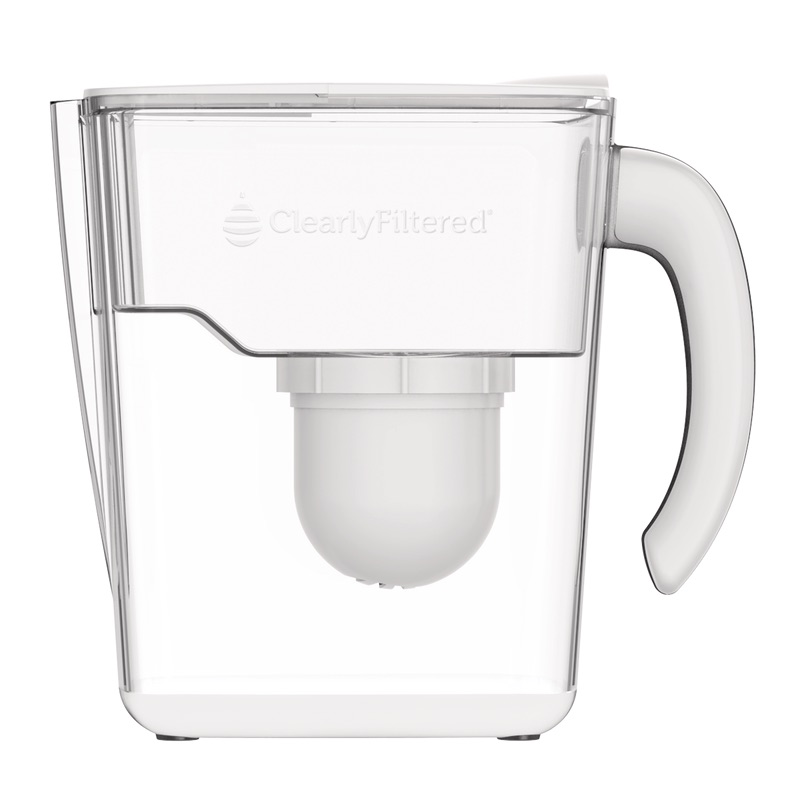
ZeroWater 10-Cup Pitcher with TDS Meter
Pros
- Only pitcher that reduces TDS to 0 ppm via 5-stage ion exchange
- Best option for high mineral, hard well water (calcium, magnesium, dissolved solids)
- Includes free TDS meter to test before and after filtration
- Removes dissolved iron better than carbon-only filters
- NSF certified for lead and chromium reduction
- Low upfront cost, widely available replacement filters
Cons
- Extremely short filter life with well water (15-40 gallons max, often 2-4 weeks)
- Does NOT remove bacteria or parasites - unsafe for raw well water
- Frequent filter replacements make it expensive long-term for well water
- Filtered water can taste "flat" due to complete mineral removal
- Flow rate slows dramatically as filter clogs from high TDS
The Verdict
ZeroWater is the best pitcher for high-mineral well water IF bacteria is not a concern. Its 5-stage ion exchange filter removes dissolved solids that carbon filters cannot touch - calcium, magnesium, dissolved iron, and other minerals that cause hardness and scaling. If your well water test shows high TDS (over 300 ppm) but no bacteria, ZeroWater delivers the cleanest result. The included TDS meter lets you monitor filter performance in real time. However, filter life is terrible with well water. Expect to replace filters every 2-4 weeks at a cost of $7-8 per filter. This gets expensive fast. ZeroWater works best as a temporary solution or for small households with moderate water usage. For high-volume well water use, invest in a whole-house water softener instead.
Best for: Well water with high TDS and hardness but no bacteria risk. Small households or light water use. Not suitable for raw well water with bacteria or parasite contamination.
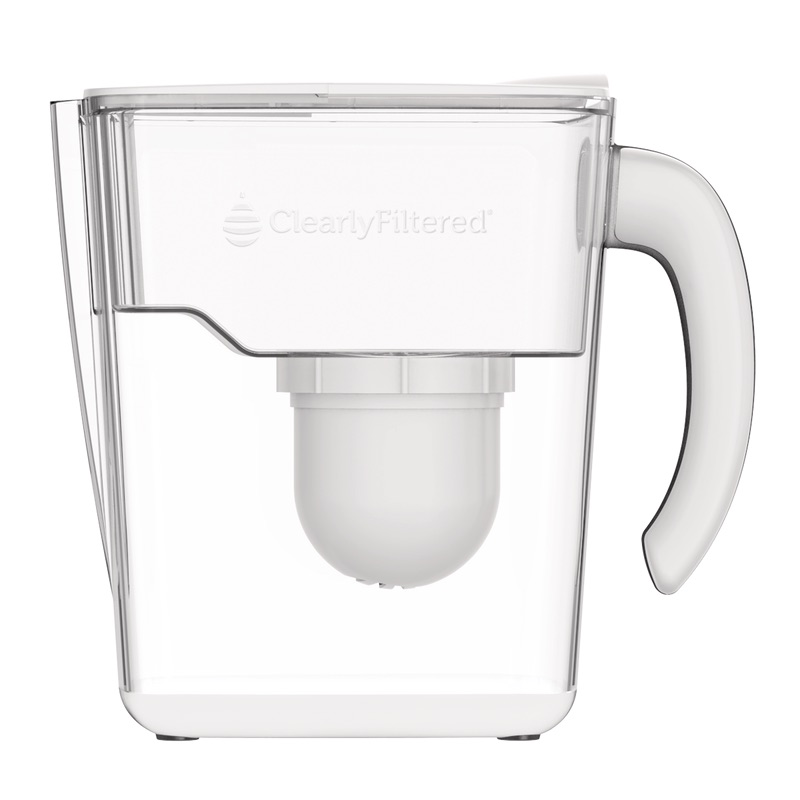
LifeStraw Home 7-Cup Glass Pitcher
Pros
- Same bacteria and parasite protection as 10-cup model (hollow fiber membrane)
- Premium borosilicate glass construction - no plastic taste or odor absorption
- Silicone base prevents slipping and protects glass
- Compact 7-cup size fits smaller fridges and takes less counter space
- Dual-filter design: membrane for bacteria, carbon for chemicals and taste
- Membrane filter lasts 264 gallons (1 year)
Cons
- Smaller capacity (7 cups total, 3.5 filtered) requires more frequent refills
- Higher price than plastic models (~$65 vs $50)
- Glass is heavier and breakable - not ideal for households with young kids
- Still requires two separate filter replacements (membrane + carbon)
The Verdict
The LifeStraw Glass pitcher delivers the same bacteria and parasite protection as the 10-cup plastic model, in a premium glass design. If you want to avoid plastic entirely - no BPA leaching, no absorbed odors, no staining - this is the best option for well water. The smaller 7-cup capacity works well for 1-2 people or as a secondary pitcher for filtered drinking water only (not cooking). Glass construction also means it looks better on the table if you serve water at meals. The trade-off is weight and fragility. At ~4 pounds when full, it requires careful handling. For larger households or heavy water use, the 10-cup plastic model is more practical. For small households who want premium materials and bacteria protection, the glass pitcher is worth the extra $15.
Best for: Small households (1-2 people) with raw well water who want bacteria protection in a premium glass design. Not ideal for families with kids or high daily water volume.
Brita Elite 10-Cup Water Filter Pitcher
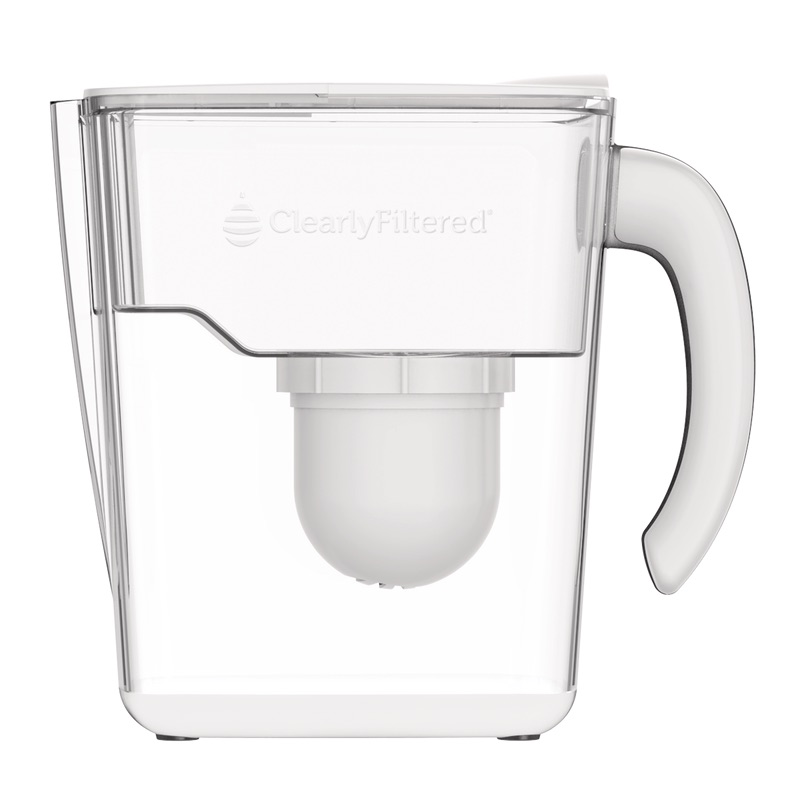
Pros
- NSF 53 certified for lead reduction - good for old plumbing
- 120-gallon filter life (6 months) - longer than standard Brita filters
- Removes 30+ contaminants including PFAS, mercury, benzene, asbestos
- Low cost ($30 pitcher, $12 filters) and widely available
- Fast flow rate when filter is fresh
- Works well as final polishing filter after whole-house well water treatment
Cons
- NOT designed for raw well water - will clog immediately from sediment
- Does NOT remove bacteria or parasites - unsafe for untreated well water
- Activated carbon only - no sediment pre-filter or multi-stage protection
- Filter clogs quickly if water has any sediment or iron
- Only suitable AFTER whole-house well water treatment, not as primary filter
The Verdict
The Brita Elite is NOT a well water filter. It is a polishing filter for municipal water or pre-treated well water. If you have a whole-house well water system that removes bacteria, sediment, and iron, the Brita Elite works as a final stage to remove lead from old pipes, improve taste, and reduce chlorine if you use chlorine injection. It excels at this role - long filter life, low cost, and effective lead reduction. But if you pour raw well water into this pitcher, the filter will clog within days and provide zero protection against bacteria or parasites. Many well water users make this mistake. The Brita Elite is only appropriate after you have addressed well water contamination at the whole-house level. Use it as the last step, not the first.
Best for: Households with whole-house well water treatment systems who want a final polishing filter for taste and lead reduction. Not suitable for raw, untreated well water.
Buying Guide: How to Choose a Pitcher Filter for Well Water
Test Your Well Water First
You cannot choose the right filter without knowing what contaminants are in your water. Well water varies drastically by location. One property may have bacteria and iron; the neighbor's well may be clean but extremely hard. Guessing wastes money.
Get a comprehensive well water test covering bacteria, nitrates, heavy metals (lead, arsenic), TDS, hardness, iron, manganese, sulfur, and pH. SimpleLab Tap Score offers well water kits starting at $169. Many county health departments offer free or low-cost bacteria testing. Test annually - well water quality changes over time due to seasonal variations, nearby construction, or aquifer changes.
Bacteria and Parasite Protection
If your test shows any bacteria (total coliform, E. coli) or if your well is shallow (under 50 feet), choose a pitcher with hollow fiber membrane filtration. This is non-negotiable. Activated carbon alone does not remove bacteria. Only LifeStraw and Epic Pure offer membrane filtration in pitcher form. Standard Brita, PUR, and similar carbon-only filters provide zero protection against microbiological contamination.
Look for NSF P231 certification or independent lab testing showing 99.9999% bacteria removal (6-log reduction). The membrane pore size should be 0.2 microns or smaller to block bacteria and parasites.
Sediment Tolerance
Well water often carries visible sediment - sand, silt, rust from pipes, or iron precipitate. Single-stage carbon filters clog immediately. You need either a multi-stage design with sediment pre-filtration, or a gravity-fed system like Epic Pure that handles particulates better.
If your water has heavy sediment (cloudy appearance, visible particles), a pitcher filter will struggle. Consider a whole-house sediment filter (5-micron cartridge) ahead of the pitcher to extend its life. Alternatively, let well water settle in a container for 30 minutes before pouring into the pitcher - sediment will sink to the bottom.
High TDS and Water Hardness
Total Dissolved Solids (TDS) measures minerals dissolved in water - calcium, magnesium, sodium, iron. Municipal water typically has 50-200 ppm TDS. Well water often exceeds 300-800 ppm. High TDS causes scale buildup, spotty dishes, and metallic taste.
Activated carbon does not remove TDS. You need ion exchange filtration. ZeroWater is the only pitcher that reduces TDS to 0 ppm. However, its filters burn out fast with high-TDS water - expect 15-40 gallon lifespan instead of the rated 40. For long-term well water use, a water softener is more cost-effective than pitcher filters.
Iron and Manganese
Low iron (under 0.3 ppm) can be filtered by ion exchange pitchers like ZeroWater. Higher iron levels (0.3-3 ppm) will quickly overwhelm any pitcher filter, causing orange staining and rapid clogging. If you see rust stains on sinks or laundry, or if your water turns orange when exposed to air, a pitcher filter is not the solution. You need a whole-house iron filter or oxidation system.
Manganese causes black staining and is harder to remove than iron. If your well water test shows manganese above 0.05 ppm, do not rely on a pitcher filter. Whole-house treatment is required.
Filter Life Expectations
Manufacturer filter life ratings assume clean municipal water with low TDS and no sediment. Well water will cut filter life by 30-50%. A Brita filter rated for 40 gallons may last 20-25 gallons. ZeroWater filters rated for 40 gallons often clog at 15-20 gallons with hard well water.
Plan for shorter replacement intervals. Monitor flow rate - if filtration slows to a trickle, replace the filter even if the time-based schedule has not elapsed. Epic Pure (150 gallons rated) and LifeStraw membrane (264 gallons) last longest under well water conditions. ZeroWater is the worst for filter longevity with high-TDS water.
Cost Per Gallon
Pitcher cost is misleading. Filter replacement cost over 12 months is what matters. Calculate annual cost by dividing total filter expense by gallons filtered.
Example 1 - LifeStraw 10-Cup: 6 carbon filters/year ($25 each) + 1 membrane ($30) = $180/year. Filters ~240 gallons (membrane) + ~240 gallons (carbon if replaced 6x). Cost: ~$0.75 per gallon.
Example 2 - ZeroWater (high-TDS well water): Filters last 20 gallons each. Family of 4 uses ~5 gallons/day. 365 days x 5 gallons = 1,825 gallons/year. 1,825 / 20 = ~91 filters/year. At $7.50/filter = $682/year. Cost: ~$0.37 per gallon. But this assumes you replace filters 91 times - not practical.
For well water, Epic Pure and LifeStraw have the lowest long-term cost due to extended filter life. ZeroWater is cheap upfront but expensive over time if your TDS is high.
When a Pitcher Filter Is Not Enough
Pitcher filters are a final polishing stage, not a complete well water treatment system. If your well water has:
- High iron or manganese (visible staining, orange/black water)
- Heavy sediment (cloudy water, visible particles)
- Sulfur smell (rotten egg odor from hydrogen sulfide)
- Persistent bacteria despite pitcher filtration
- Very high TDS (over 500 ppm)
...then you need a whole-house well water system first. Options include sediment filters, iron filters, UV sterilizers for bacteria, and water softeners for hardness. A pitcher filter can then serve as a final stage to improve taste and remove trace contaminants. See our guide to Best Whole House Filters for Well Water for complete system recommendations.
Frequently Asked Questions
Can you use a water filter pitcher with well water?
Yes, but not all pitcher filters work well with well water. Standard pitchers designed for municipal water will clog quickly from sediment, bacteria, and iron common in well water. You need a pitcher with specialized filtration - either a hollow fiber membrane (removes bacteria and parasites), ion exchange resin (handles high minerals), or multi-stage carbon with sediment pre-filters. LifeStraw and Epic Pure are the best options specifically for well water.
Will a Brita filter work on well water?
Standard Brita filters are NOT designed for well water. They will clog rapidly from sediment and cannot remove bacteria or parasites. Brita filters are certified for chlorine taste removal and some heavy metals - contaminants found in treated municipal water. If you have well water, Brita should only be used as a polishing filter after a whole-house well water treatment system, not as your primary filter.
What contaminants should a well water pitcher remove?
Well water pitchers should address: (1) Bacteria and parasites - E. coli, Giardia, Cryptosporidium. Requires hollow fiber membrane filtration. (2) Sediment - dirt, rust, sand. Needs pre-filter or multi-stage design. (3) Iron and manganese - causes staining and metallic taste. Ion exchange or specialized iron filters needed. (4) High TDS and hardness minerals - calcium, magnesium. Ion exchange resin removes these. (5) Lead and heavy metals - can leach from old plumbing. NSF 53 certification required. (6) PFAS forever chemicals - increasingly common in rural well water near agricultural and industrial areas. If PFAS is a concern, our ZeroWater vs Clearly Filtered PFAS comparison covers the two pitchers with independent testing data above 95% reduction. Test your well water first to know exactly what you are dealing with.
How often do well water pitcher filters need replacement?
Well water filters clog faster than municipal water filters due to higher sediment and mineral content. Expect 30-50% shorter filter life compared to manufacturer specs. LifeStraw membrane filters last 264 gallons (1 year), carbon filters last 40 gallons (2 months). ZeroWater filters rated for 15-40 gallons depending on TDS levels will likely need replacement every 2-4 weeks with hard well water. Epic Pure filters (150-gallon rated) may last 2-3 months. Monitor flow rate - if filtering slows significantly, replace the filter even if the time-based schedule has not elapsed.
Do pitcher filters remove iron from well water?
Pitcher filters can reduce dissolved iron to some extent, but are not effective for high iron levels (over 0.3 ppm). Ion exchange filters like ZeroWater work best for dissolved iron. Activated carbon alone does not remove iron. If your well water has visible rust staining or iron bacteria, a pitcher filter will clog immediately. You need a whole-house iron filter or sediment pre-filter first. Pitcher filters work as a final polishing stage after whole-house treatment, not as the primary solution for iron-heavy well water.
Should I get my well water tested before buying a pitcher filter?
Absolutely. Testing is mandatory. Well water varies drastically by location - what works in one county may fail in another. Get a comprehensive test covering bacteria, nitrates, heavy metals, TDS, hardness, iron, and pH. SimpleLab Tap Score offers well water test kits starting at $25. Your local health department may offer free or low-cost testing. Once you know what contaminants are present and at what levels, you can choose a pitcher filter designed to handle those specific issues. Guessing costs money - you will buy the wrong filter and replace it constantly.
Our Evaluation Methodology
We evaluated well water pitcher filters based on filtration technology suitable for raw well water, contaminant removal certifications (NSF 42, 53, 401, P231), filter life under high-sediment and high-mineral conditions, cost per gallon over 12 months, and user reviews from verified well water households. Products were selected based on bacteria removal capability, sediment tolerance, TDS reduction, and real-world performance reports from rural homeowners. Standard municipal water pitchers (Brita Standard, PUR Basic) were excluded unless suitable as polishing filters after whole-house treatment.
Sources: NSF International certification database, Wirecutter testing, SimpleLab well water test data, Reddit r/water and r/homestead well water discussions, Amazon verified purchase reviews (filtered for well water users), and manufacturer technical specifications. Updated April 2026.